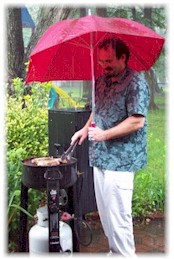
WEATHER EXTREMES
- global warming
- water sources and threats of droughts
- effect on int'l business
- cold weather effects on Canadian Business

| GEOGRAPHIC
ENVIRONMENT:
WEATHER EXTREMES
|
|
"Economic losses
due to weather-related events in Canada are increasing rapidly."
www.davidsuzuki.org
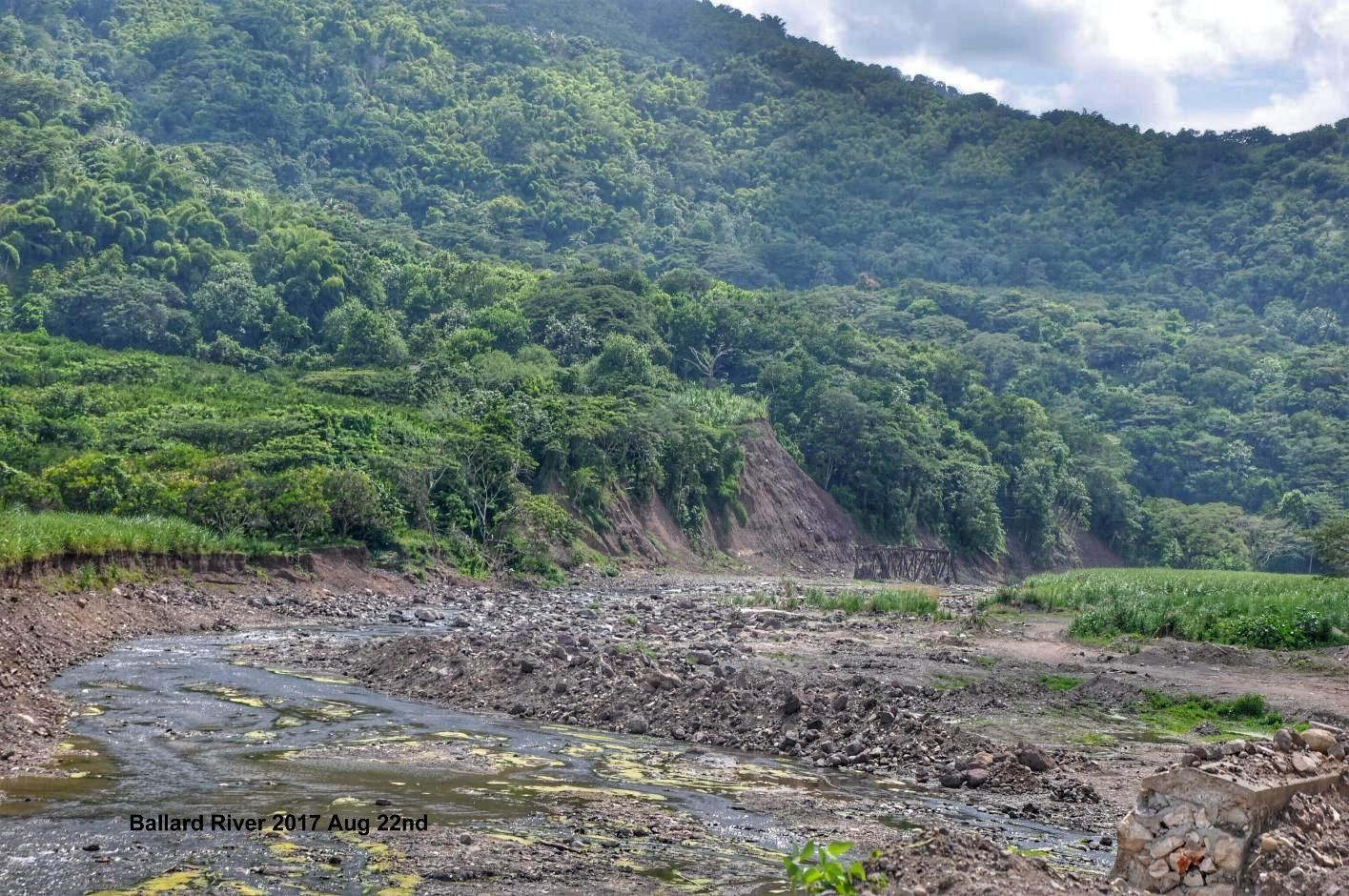 |
The Ballard River
Severe Water Shortages worldwide Dried up in August ! It is a small river in the central highlands of Jamaica, and happens to run close to where our house is, and where my wife and I spend a couple of months each year. |
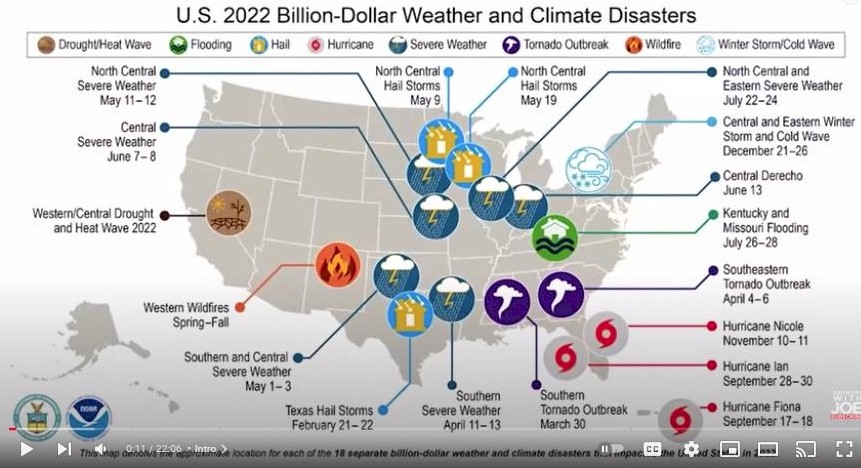
| INTRODUCTION | , | In the follow-up
to reading the coverage of Hurricane Katrina (Aug 2005) and watching the
TV coverage I was personally struck by the incredible power of "Mother
Nature" and the capability to have such impact on our small human lives.
It became evident that we, as supposedly intelligent mammals on this planet,
constantly underestimate the power of Nature's forces which is why we are
always getting into serious trouble by thinking we can build structures
any place we want to.
WTGR |
 |
2015 Feb 27th
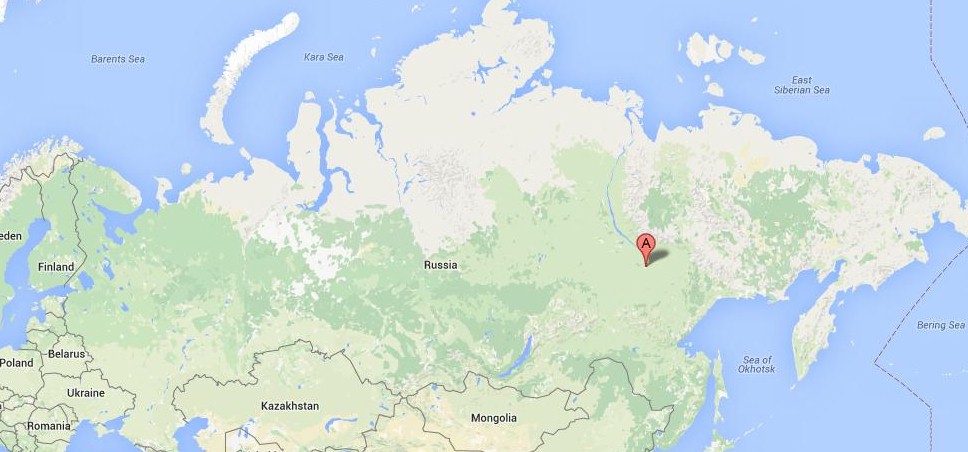
student Alina Mikhailova from Yakutsk in Russia (which has the reputation of being the coldest city in the world) made a nice video about how cold weather effects business. click on the map below to
see where Yakutsk is
|
 |
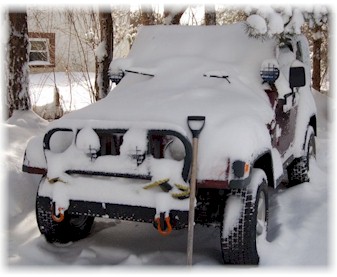
Jan 17th, 2011 the temp
was
MINUS 26 C MINUS 14 F So, along the lines of "anything can be a teachable point", I took my Nikon D90 and made some clips of the students in MRK460 talking about how extreme cold weather effects business. Edited the clips together and posted it on YouTube same day. WTGR |
 |
 |
 |
 |
|||
| How Hot Weather
effects businesses
2 min 29 sec |
How Cold Weather
effects businesses
1 min 40 sec |
Fires Floods
and Earthquakes - effects on business
1 min 2 sec |
The effect of storms (Hurricanes,
ice storms, etc.) on businesses
2 min 1 sec (including humourous mistakes) |
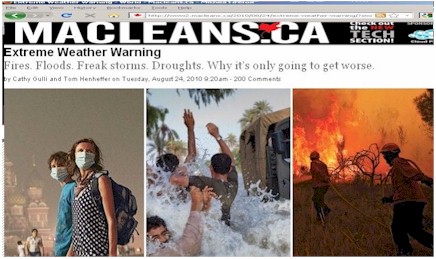 |
, | Student Brenda
G. in MRK460 at Seneca in March 2011 emailed to say
"In locating some background research on weather extremes for the midterm tomorrow, I came across this excellent article from Macleans.ca that thoroughly explained weather extremes happening around the world." |
| Extreme
Weather getting worse
|
, | WTGR replies
"Thanks Brenda, yes, this is a very thorough article" and the link is listed below for students to read more detail www.macleans.ca/news/world/extreme-weather-warning/ link works in July 2022
In the article Gulli and Henheffer explain that "To understand how extreme weather is becoming more common, scientists start by looking back. Over the last 100 years, the global average temperature has steadily increased by a little more than 1° F. That doesn’t seem like much. But if a typical day is going to be warmer, then the heat waves will be as well. This also affects storm activity: the hotter it gets, the more heat the oceans absorb. The heat evaporates into the atmosphere as water vapour. Warm air can hold more water vapour than cold air, so once the atmosphere is saturated, it dumps exceptional amounts of rain....Using computer models, scientists from 20 climate centres around the world have forecast that by the end of the century, the Earth’s temperature will increase by at least 2° F." |
1 min 10 sec. |
Is extreme weather getting
worse?
Richardson discussing the reason why weather extremes are more important and what it is about human living patterns that increasingly put mankind in a situation of vulnerability to weather extremes video added 2014 Oct 7th
|

International
|
, | During the 3rd
week of December 2005, Richardson was interviewed live on air for the
Report on Business television (ROB TV) program by host Howard Green for
a segment about how natural disasters effect international business. Richardson
explained that it is important to have a contingency plan and business
continuity strategy which could be employed without delay. While the competition
is struggling to recover after a disaster, your enterprise can be more
operational and you'll achieve a competitive advantage that may yield months
of favourable business until others catch up.
Basically, the point I was trying to establish is that you can pretty well count on a natural disaster having a big impact on your business, either effecting your supply of component parts, or effecting the region in which your customers live - and therefore one could say that your ability to be a successful business person depends not exclusively on doing the right things in terms of marketing and customer relations, but also being prepared for a bad event cause sooner or later we all get hit by something so it is the businesses that can recover faster that will survive and thrive. WTGR |
1 min 42 sec |
BP Oil Spill
- Mexico 2010
Student Pranya Y. in MGTC46
in Feb 2011 emailed to comment on how the geographic environment effects
business and the problems with B.P.'s Contingency Planning re: the big
oil spill in the Gulf of Mexico in 2010.
|
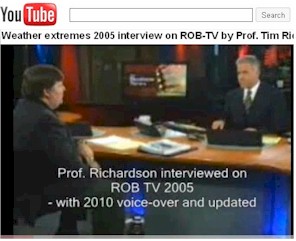
5 min 56 sec |
Weather Extremes,
2005 interview ROB TV
referred to in dozens of classes in MRK460 and MGTC44 Report on Business Television In 2010 Prof. Richardson updated some of the points and did a "voiceover" adding in some additional explanations. This update was uploaded
to YouTube Sept 2010
|
1 min 49 sec. |
"tyranny of
quarterly earnings"
One of the reasons companies do NOT spend much money on contingency plans for weather extremes is due to the "tyranny of quarterly earnings" - this expression is explained in a short video video added 2014 Oct 7th |
2 min 9 sec |
Contingency Plan
"who does what" In developing a contingency plan to respond it is critical to identify "who does what" because such decisions cannot be made in a panic - they needed to be sorted out in advance. Richardson uses the example of responding to a medical emergency. video added 2014 Oct |
 |
Weather extremes
the planning cycle How the threat of weather extremes can effect the length of the planning cycle in marketing and promotions - you always have to have the ability to change your plans and bring on board a new promotions scenario when you are vulnerable to problems in the supply chain due to bad weather 1 min 40 sec.
|
| Contingency
planning
what
Weather
|
List of specific
risks and threats that Contingency plans are used for , continued..
natural disasters and weather extremes,
- see http://www.panda.org/about_wwf/what_we_do/climate_change/news/news.cfm?uNewsID=2659 National Hurricane Center nhc.noaa.gov |
| Contingency
planning
what
Weather
|
Weather extremes
effect
|
| Geographic
Environment: Weather Extremes
Canadian biologist and activist
Dr. David Suzuki has a paper on his web site that discusses some of the
things we can expect. Some of the points from his paper contributed to
the list I (WTGR) made below
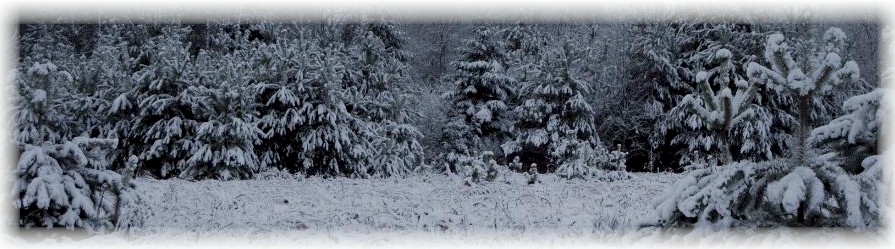
In terms of specific threats, what are some exact examples of weather extremes that we can expect in the future.
|
|
| Bad
Weather
effects business |
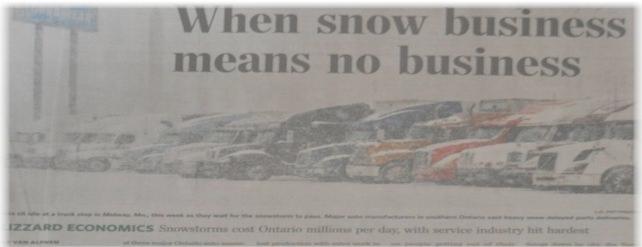
The front page
of the Business Section of the Toronto Star (photo above) Feb 3rd 2011
focused on how a bad snow fall is bad for business - describing the situation
as "blizzard economics"
Reporters Van Alphen and Rubin, quoting a study by consultants IHS Global Insight, explain that big snowstorms cost Ontario's economy $470 million a day, factoring in
|
| Bad
Weather
contributes to some business |
Snowstorm Feb 3rd 2011 - 600+ calls to C.A.A in 14 hours |
| Bad
Weather
effects agri-food economy |
, | Poor
Barbecue weather sends hog prices down - catastrophic for pork producers
|
| KEY
POINTS |
This story,
below, about the drying up of the planet is quite alarming, especially
when you add in stories about the shrinking ice fields in Antarctica and
the other global warming trends.
Canada is one of the countries in the world with a generous abundance of fresh water and it may mean that in the future this has enourmous consequences for us in international business since water is the #1 most important thing for animal life. WTGR |
| Geographic Environment |
Chris Hawley, writer for Associated Press, writes about a United Nations report "The world is turning to dust, with lands about half the size of Prince Edward Island becoming desert wasteland every year and the problem threatening to send millions of people fleeing to greener countries, the United Nations says." "One-third of the Earth's surface is at risk, driving people into cities and destroying agriculture in vast swaths of Africa. Thirty-one per cent of Spain is threatened, while China has lost 93,000 square kilometres to desert — an area the size of Indiana — since the 1950s." "It's a creeping catastrophe," said Michel Smitall, a spokesperson for the U.N. secretariat that oversees the 1994 accord. "Entire parts of the world might become uninhabitable. Slash-and-burn agriculture, sloppy conservation, overtaxed water supplies and soaring populations are mostly to blame." |
| How the Technological Environment effects the Geographic Environment | Chris Hawley
- "Technology can make the problem worse. In parts of Australia, irrigation
systems are pumping up salty water and slowly poisoning farms. In Saudi
Arabia, herdsmen can use water trucks instead of taking their animals from
oasis to oasis — but by staying in one place, the herds are getting bigger
and eating all the grass."
Hawley writes
|
| Geographic
Environment
Weather Extremes |
In September
2005 everybody in North America watched as the damage from hurricane Katrina,
and the resulting flood, was broadcast worldwide as the U.S. government
struggled to contain a problem that seemed to be beyond the most powerful
nation on the planet.
While people are trying to cope with the concept of hundreds, maybe thousands of drowned victims in the southern U.S., at the same time scientists and planners are suggesting that Katrina will NOT be the biggest natural disaster in the U.S. - it is suggested that the next earthquake, which will hit southern California some time in the next decade or two, will kill 10's of thousands of people. Why are so many people being killed in natural disasters, like the tsunami in South Asia in December 2004? .It is argued by some experts that the answer is very simple - too many people living in large concentrated areas close to a threat. The threat could be a volcano ready to blow, like in parts of Latin America, or buildings constructed with shabby materials in an earthquake zone like Turkey, or houses built on low land that floods, like in China, Holland and other places. It seems humans aren't willing to accept that "Mother Nature" is bigger and they place themselves in situations of risk, and when something bad happens, they demand the government look after them. WTGR |
| Geographic
Environment
Weather Extremes Global Warming |
Hurricanes
- Global Warming - Politics
It is tempting, in light of the recent events, (Sept 2005) in Louisianna and Mississippi to focus on the particular type of weather extreme that effected something so current - however, the fact is "...Category 4 and 5 hurricanes -- those with winds of 131 mph or higher -- rose from 10 a year in the 1970s to 18 a year since 1990." A new study, published today in the journal Science in Sept 2005, concludes that "... warming sea temperatures have been accompanied by a significant global increase in the most destructive hurricanes, adding fuel to an international debate over whether global warming contributed to the devastation wrought by Hurricane Katrina." "According to data gathered
by researchers at the School of Earth and Atmospheric Sciences at Georgia
Tech and the National Center for Atmospheric Research, the number of major
Category 4 and 5 hurricanes worldwide has nearly doubled over the past
35 years"
If concern over Global Warming becomes politically important to the point where it effects national government policy on energy consumption, then this will have a big impact on international businesses which rely on transportation systems that use oil and gas (which is almost everything except sail and some types of trains). The Washingtom Posts says "Katrina reanimated a transatlantic argument over global warming policy as critics of the Bush administration have seized on it to promote mandatory limits on greenhouse gas emissions. Arguing that the science of global warming remains uncertain, President Bush in 2001 disavowed the Kyoto treaty that sets mandatory targets for reducing greenhouse gas emissions..." WTGR |
| Geographic
Environment
Weather Extremes Global Warming |
Global Warming
Reported by CBC News 2007 Feb "International scientists and officials hailed a report Friday [February 2, 2007]saying that global warming is "very likely" caused by man, and that hotter temperatures and rises in sea level "would continue for centuries" no matter how much humans control their pollution. The head of the Intergovernmental Panel on Climate Change, Rajendra Pachauri, called it a "very impressive document that goes several steps beyond previous research."" CBC added "A top U.S. government scientist, Susan Solomon, said "there can be no question that the increase in greenhouse gases are dominated by human activities."" |
| Global
Warming
an
|
Global Warming
has gone from being an Environmental Issue to an International Business
Management issue as governments and large companies negotiate to do business
within the recommendations of the Kyoto Accord.
Is Global Warming a reality
- there are many arguments on both sides.
|
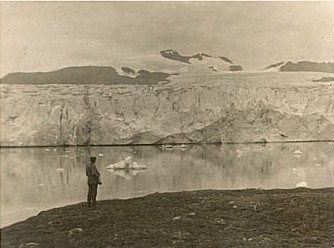 |
Blomstrandbreen glacier
in Norway in 1928 |
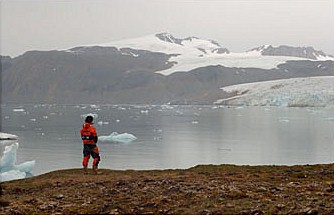 |
Blomstrandbreen glacier
in Norway in 2002 A picture represents a thousand words |
from
the Greenpeace site at http://www.greenpeace.org/usa/photosvideos/slideshows/the-incredible-disappearing-gl
| Global
Warming
an
|
October 2005
Canada hosts a United Nations
climate meeting Nov 28 - Dec 9 in Montreal
Several economic and political experts describe the Kyoto Protocol as flawed and the meeting in Montreal in October 2005 has, as part of its purpose, an intention to have a more fruitful round of negotiations. It is understood that the Kyoto Protocol allowed so many exceptions to the guidelines that it became possible for the large industries of many countries to put pollutants into the air without consequence or action taken against the company. The goals of the Canadian
government, as expressed by several officials associated with planning
the conference, are
The story about the conference was carried in several media, including the Toronto Star. One of the best stories was an article Oct 11th by Peter Calamai see
|
| Global
Warming
an
better
|
"Global Warming
a farmer's bane"
is the title of a Globe & Mail article written by Barrie McKenna, 2007 Sept 12th
Journalist McKenna comments on the writing of William Cline, author of Global Warming and Agriculture. Cline is quoted by Mckenna as saying "warmer temperatures could boost farm output in Canada, Russia and other northern countries by late this century, but not nearly as much as most people think. Limited daylight, new doubts about the benefits of extra carbon dioxide in the atmosphere and a high Canadian dollar could temper the gains to farmers of a warmer planet" the full text of this article was given to the C44 class of Sept 2007. |
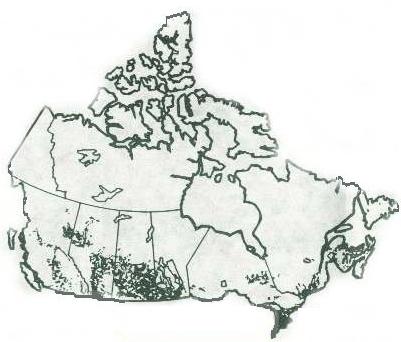
from http://members.becon.org/~pals/canada12.html |
So, although
it might be warmer for more days, farther north - there are still other
problems associated with increasing crop yields
|
Global Warming in China www.worldviewofglobalwarming.org/pages/chinareport.html
| Geographic
Environment
Weather Extremes |
Some newspapers
and web blogs carry articles by experts who say New Orleans should never
have been built there in the first place - or at least, the city should
not have been allowed to expand with such a large population in risk of
flooding. However market forces such as real estate.
Will we learn anything from New Orleans - will people have the common sense to say it is low land, built somewhere else, or will bravado and politics lead to a big effort to re-built because of some believe that the city deserves to be resurrected. Not all cities have been re-built. When Pompeii was covered in soot and ash from the eruption of Mount Vesuvius in 79 AD, the city was left as a tomb. It was considered that the people had built to close to an active volcano and it did not make sense to re-build. In 1692, Port Royal, town in Jamaica, was hit by a devastating earthquake at the peak of its commercial prosperity - much of the town ended up submerged in the sea and was never rebuilt. Port Royal had been known as a place famous of pirates and much lawless activity therefore its destruction was considered by people of the time, to be an act of God. WTGR |
| Geographic
Environment
Weather Extremes |
It is reasonable
to consider that as we move through more of the years of the new millennium,
that the effects of extreme weather will have a larger and larger impact
on international business for several reasons
|
 |
As is often
the case when discussing a specialized subject in international business,
U of T has a professor that is expert in that area. Prof. Thomas Homer-Dixon
www.homerdixon.com serves as the
Prof. Dixon has written on
a number of issues related to global warming and the consequences.
"The sea ice floating on the Arctic Ocean is white, so it reflects a large proportion of the sun's radiation back into space. As this ice melts from global warming, it leaves behind open water that absorbs about 80 per cent more of the sun's radiation. This ocean water becomes warmer. Then, after the summer passes and fall comes, the water releases its heat back into the atmosphere, which impedes refreezing. So winter generates thinner ice, which melts more easily the next summer."
also "Antarctica, the new hot real estate" www.thestar.com/News/Ideas/article/277390 WTGR |
|
|
CONTACT I MAIN PAGE I NEWS GALLERY I E-BIZ SHORTCUTS I INT'L BIZ SHORTCUTS I MKTG&BUSINESS SHORTCUTS I TEACHING SCHEDULE |
| . | |
MISTAKES
ITEXTS
USED I
IMAGES
I RANK
IDISCLAIMER
I STUDENT
CONTRIBUTORS I FORMER
STUDENTS I PUBLICATIONS
I  |
|
| . |